
Transform Your Vision Naturally
Discover how proper nutrition can enhance your eyesight and support lifelong eye health through science-backed dietary strategies
The information on this site is for educational purposes only and does not constitute medical advice. Always consult a qualified healthcare professional before making health decisions.
Eye Health Impact Numbers
Vision issues linked to nutritional gaps
Research shows dietary deficiencies significantly impact visual function
Timeline for visible improvements
Most participants notice clearer vision within one month of dietary changes
Essential nutrients identified
Key vitamins and minerals that directly support eye function and health
Foods catalogued for eye benefit
Comprehensive database of ingredients and recipes for natural vision support
The Science Behind Nutritional Vision
Your eyes are among the most nutrient-demanding organs in your body. The retina contains specialized cells that require constant replenishment of protective compounds to function optimally. When your diet lacks essential nutrients, your visual performance declines, and your eyes become more vulnerable to age-related changes.
Lutein, zeaxanthin, and antioxidants work together to filter harmful blue light and protect the macula—the area responsible for sharp, detailed vision. Meanwhile, anthocyanins improve blood circulation to the eyes, and zinc supports the production of melanin, a critical eye pigment.
By strategically incorporating nutrient-rich foods into your daily meals, you create an internal defense system that supports clear vision, reduces eye strain, and promotes long-term ocular health. Our research reveals that even modest dietary adjustments yield measurable improvements in visual clarity within weeks.
Discover Key Nutrients
Essential Nutrients for Better Eyesight
Lutein & Zeaxanthin
These carotenoids concentrate in the macula and act as natural sunglasses, filtering blue light and protecting against macular degeneration. Found abundantly in dark leafy greens, these compounds are your eyes' primary defense against oxidative stress and age-related vision loss.
Best sources: Spinach, kale, collard greens, broccoli
Anthocyanins
These powerful antioxidants enhance blood flow to the retina and reduce inflammation in eye tissues. They improve night vision, reduce glare sensitivity, and support the health of tiny blood vessels that nourish your eyes, promoting sustained visual clarity.
Best sources: Blueberries, blackberries, purple grapes, bilberries
Vitamin A & Beta-Carotene
Essential for night vision and overall retinal function, vitamin A forms the basis of rhodopsin—the pigment your eyes use to see in low light. This nutrient is absolutely critical for maintaining healthy photoreceptor cells and preventing vision decline over time.
Best sources: Sweet potatoes, carrots, pumpkin, apricots
Omega-3 Fatty Acids
Omega-3s are structural components of retinal cell membranes and reduce inflammation throughout the eye. They improve tear production, enhance circulation, and support the health of photoreceptors—making them indispensable for both comfortable and clear vision.
Best sources: Fatty fish, walnuts, flaxseeds, chia seeds
Vitamin C & E
These antioxidants work synergistically to neutralize free radicals that damage eye tissues. Vitamin C protects the lens, while vitamin E shields cell membranes, together slowing age-related vision changes and maintaining optical clarity throughout your life.
Best sources: Citrus fruits, berries, almonds, sunflower seeds
Zinc & Copper
Zinc is concentrated in the retina and essential for night vision and color perception. Copper supports the formation of melanin and strengthens blood vessel walls. Together, these minerals maintain the structural integrity of eye tissues and support long-term visual health.
Best sources: Oysters, beef, pumpkin seeds, chickpeas
Your 30-Day Vision Improvement Journey
Days 1-7: Foundation Building
Begin by introducing nutrient-rich foods into your diet. Add one serving of dark leafy greens daily, incorporate berries into breakfast, and start consuming fatty fish twice weekly. These foundational foods activate your body's natural eye-protective mechanisms and lay the groundwork for visible improvements.
Days 8-15: Momentum & Adaptation
Expand your nutrient intake by diversifying your sources. Add orange and yellow vegetables for beta-carotene, include nuts and seeds for vitamin E, and increase water consumption to support eye hydration. Many users report reduced eye strain and improved focus during reading or screen time by day 10-12.
Days 16-30: Visible Results
By the third week, nutrient accumulation reaches peak levels. You'll likely notice sharper color perception, clearer distance and near vision, and diminished eye fatigue. Continue your established routine, and solidify these habits for long-term eye health. Track your progress by noting improvements in visual comfort and clarity.
Beyond Day 30: Lifelong Vision Support
Maintain your nutritional practices as a lifestyle rather than a temporary intervention. The improvements you've experienced become sustainable through consistent dietary choices. Continue consuming nutrient-dense foods, stay hydrated, limit screen time strain, and enjoy the benefits of naturally supported eyesight for decades to come.
Before & After Real Results

Clearer Near Vision
Participants reported improved ability to read small text and focus on detailed tasks without strain within three weeks of implementing dietary changes rich in lutein and zeaxanthin.
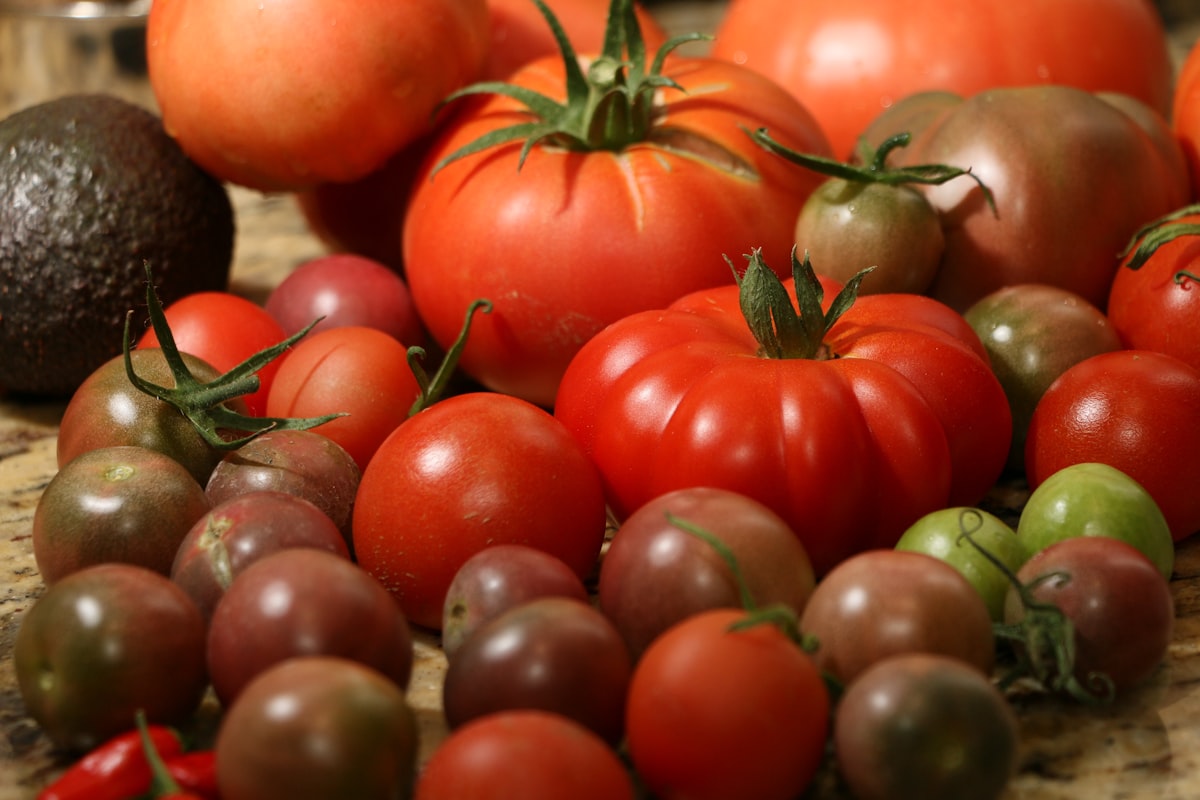
Reduced Eye Strain
Users consuming omega-3 and antioxidant-rich foods experienced significantly less fatigue after prolonged screen exposure and reported improved comfort throughout the day.

Enhanced Color Perception
Carotenoid and anthocyanin intake led to noticeably more vibrant color perception and improved ability to distinguish subtle color differences, reflecting retinal function improvements.

Improved Night Vision
Vitamin A and zinc supplementation through food dramatically enhanced night vision capabilities, with users reporting greater confidence and comfort in low-light environments.
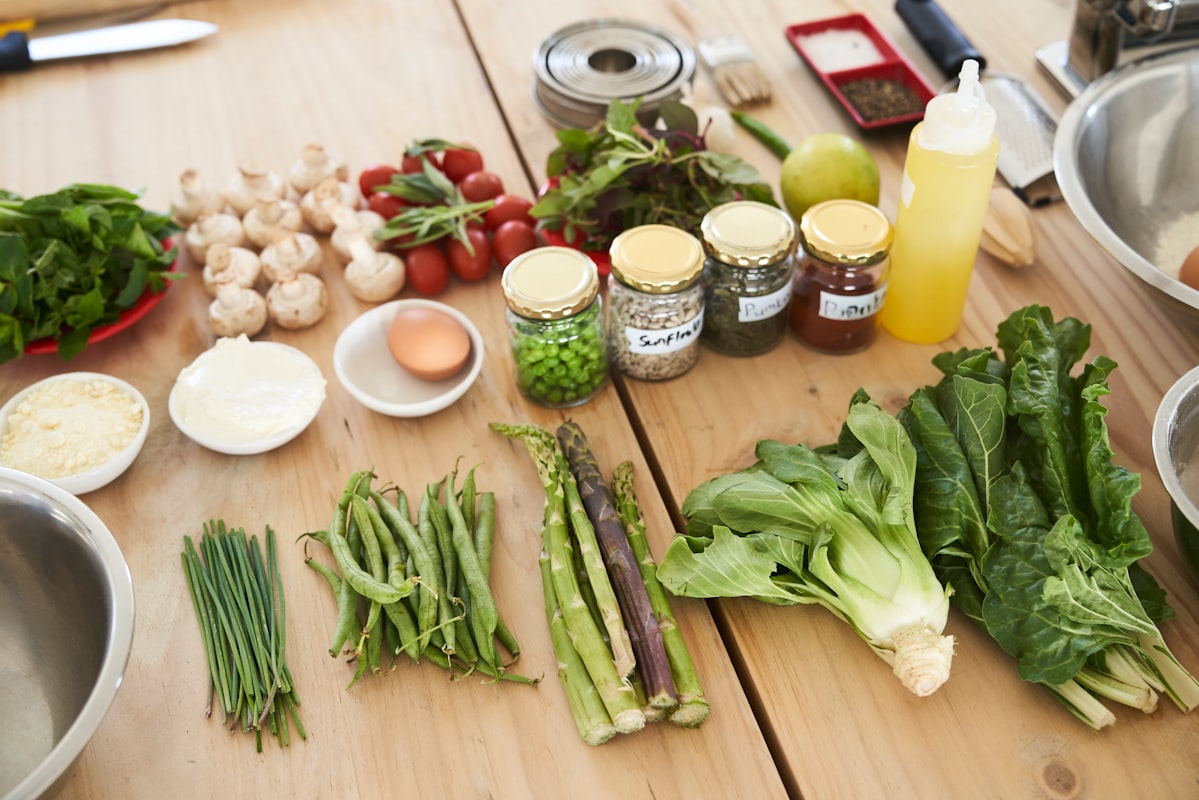
Reduced Glare Sensitivity
Antioxidant-rich dietary choices significantly reduced sensitivity to bright light and glare, allowing for greater comfort in various lighting conditions throughout the day.
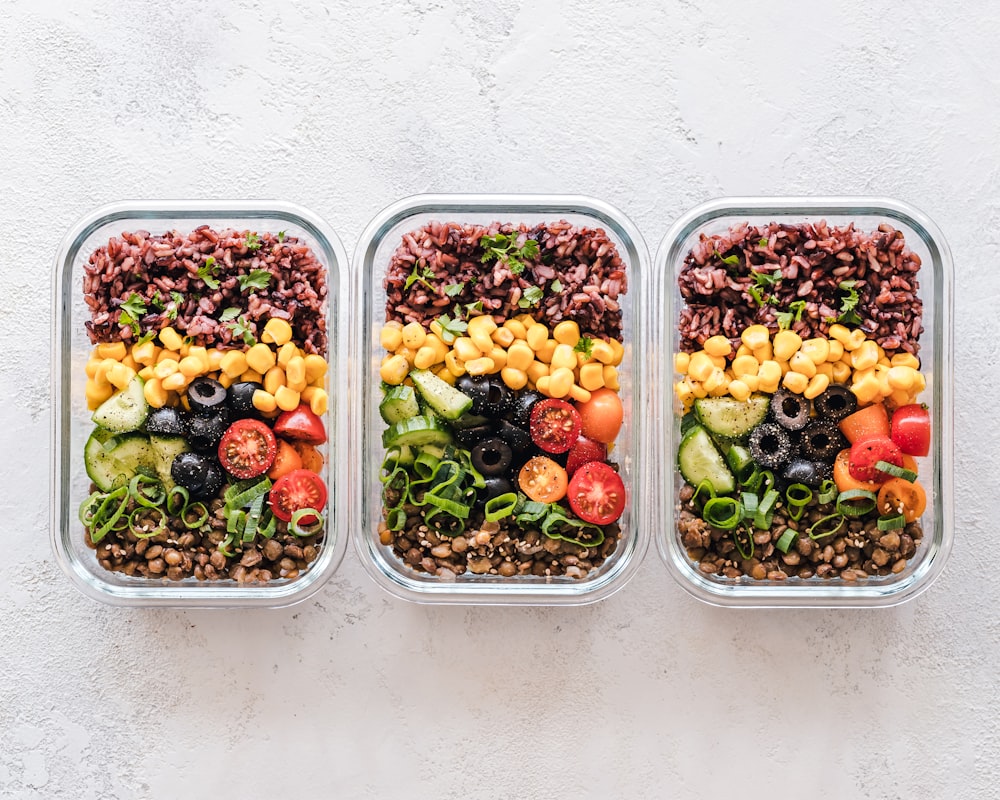
Overall Visual Comfort
Comprehensive nutritional support led to sustained improvements in overall eye health, reduced dryness, better tear production, and a general sense of enhanced visual well-being.
Common Questions About Diet & Eyesight
How quickly can I expect vision improvements?
Most individuals notice initial improvements in visual comfort and clarity within 2-3 weeks of consistent dietary changes. More pronounced improvements in focus, color perception, and reduced eye strain typically become evident by week 4-6. Full benefits may take 2-3 months as nutrients accumulate in eye tissues.
Can diet really improve vision if I wear glasses?
Yes. Nutritional support enhances the function of your existing eye structures regardless of whether you wear glasses. Many users report improved visual comfort, reduced eye strain, and better focus quality. While diet cannot reverse refractive errors that require corrective lenses, it significantly supports overall eye health and function.
Which foods should I prioritize for eye health?
Begin with dark leafy greens (spinach, kale), colorful berries (blueberries, blackberries), fatty fish (salmon, sardines), nuts and seeds, and orange vegetables. These foods are nutrient-dense and provide multiple eye-supporting compounds. Focus on variety and consistency rather than any single food—a diverse diet ensures comprehensive nutritional coverage.
Do I need supplements, or can food alone provide benefits?
Whole foods are always the preferred source because they contain complex nutrient profiles that supplements cannot replicate. A well-planned diet rich in the recommended foods can provide all necessary nutrients for eye health. Supplements may be beneficial if you have specific dietary restrictions or significantly limited food access—consult our nutrition guidelines first.
How does nutrition support eye health at a cellular level?
Nutrients like lutein and zeaxanthin concentrate in the macula and filter harmful blue light. Antioxidants neutralize free radicals that damage retinal cells. Omega-3s form structural components of photoreceptor membranes. Vitamins A, C, and E protect eye tissues from oxidative stress. Together, these nutrients create a comprehensive defense system supporting clear, healthy vision.
Will these dietary changes help prevent age-related vision problems?
Research strongly suggests that consistent nutritional support throughout life reduces the progression of age-related vision changes. By providing your eyes with optimal nutrients now, you're investing in your visual health for decades to come. The earlier you begin, the greater the protective benefits you'll accumulate over time.
Are there any foods I should avoid for eye health?
While no foods are strictly forbidden, excessive refined sugars, trans fats, and highly processed ingredients promote inflammation and oxidative stress—conditions harmful to eye tissues. Limit these items and focus instead on whole, nutrient-dense foods. Moderate alcohol consumption and staying hydrated also support optimal eye function and comfort.
Can I combine nutritional support with other eye health practices?
Absolutely. Nutrition works synergistically with other practices like screen time management, protective eyewear, regular eye exams, and proper lighting. A comprehensive approach yields the best results. Combine nutrient-rich eating with 20-20-20 eye breaks, UV protection, and adequate sleep for maximum eye health benefits.
Success Stories from Our Community
Within three weeks of following the nutrition guide, I noticed a dramatic improvement in my ability to read fine print. My eyes feel less strained at the end of the day, and colors appear more vibrant. I've finally found a natural approach that actually works for my vision without any side effects whatsoever.
Sinta Wijaya
Bandung
After years of struggling with eye fatigue from computer work, I decided to completely overhaul my diet with the recommended foods. The improvement in my vision comfort has been remarkable. I can now work for longer periods without experiencing the headaches and strain I used to get regularly.
Ari Kusumanto
Jakarta
My night vision has improved significantly since I started incorporating the suggested foods into my daily meals. I feel more confident driving at night, and my overall eye health feels stronger than it has in years. This approach is simple, natural, and truly effective for supporting my eyesight.
Dewi Suryani
Surabaya
I appreciate how the community shares real experiences about using nutrition for eye health. The detailed information about which nutrients do what and where to find them has made it easy to make informed dietary choices. My vision feels clearer, and I'm more aware of how nutrition impacts my overall wellness.
Rudi Hermawan
Medan
Start Your Eye Health Transformation Today
Join our community of readers discovering how nutrition naturally supports clearer, healthier vision. Explore our comprehensive guides, real food recipes, and detailed nutrient information to begin your 30-day vision improvement journey today.